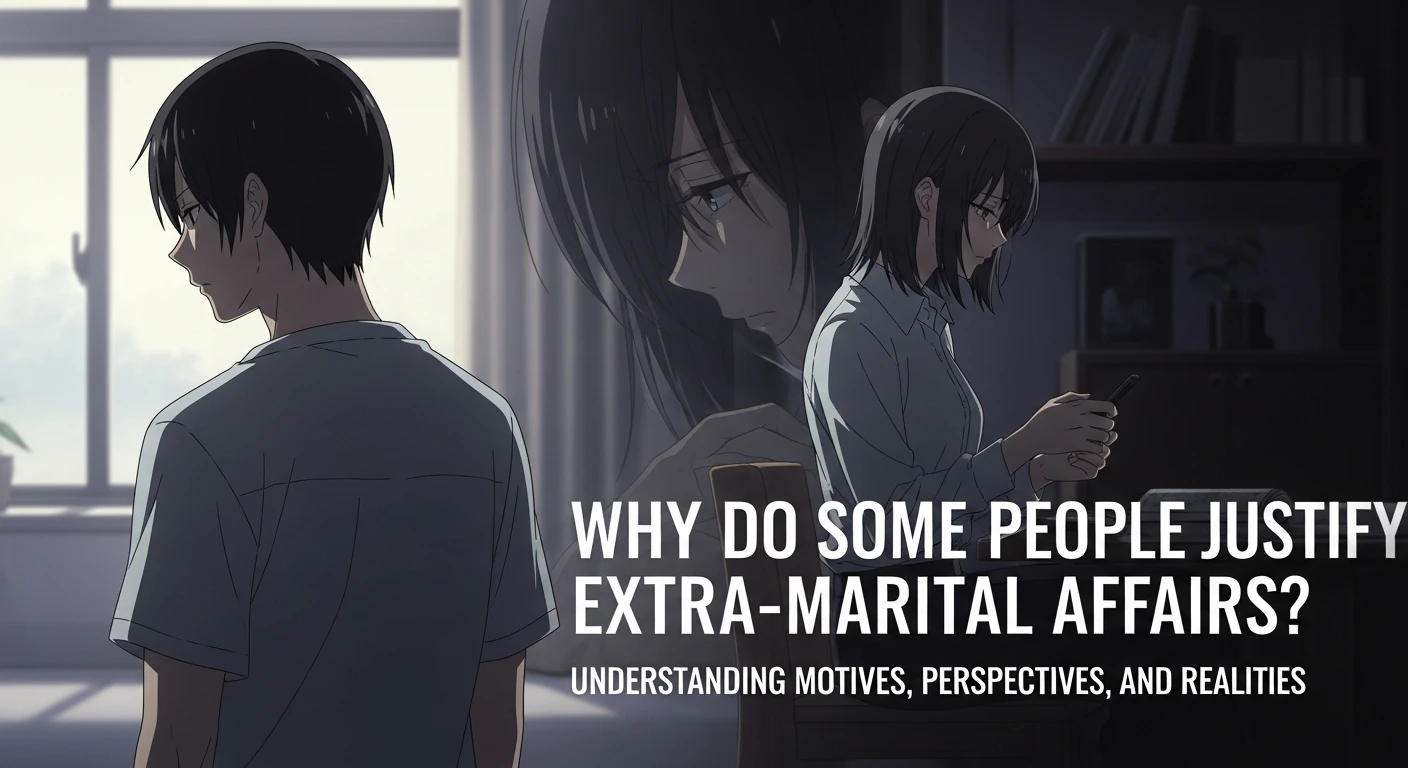
Extra-marital affairs—romantic or sexual relationships outside of a committed marriage—are a complex and controversial topic. While many societies and individuals view them as wrong or harmful, others believe there can be circumstances where such affairs are justified or even necessary. This guide aims to provide a balanced, informative perspective on why some people consider extra-marital affairs to be “right” for them, along with the motivations, potential consequences, and practical considerations involved.
What is an Extra-Marital Affair?
An extra-marital affair involves one or both partners in a marriage engaging in a romantic or sexual relationship with someone other than their spouse, without the spouse’s knowledge or consent. Affairs can be emotional, physical, or both and may be brief or long-term.
Why Do Some People View Extra-Marital Affairs as Justifiable or “Right”?
1. Unmet Emotional Needs
Emotional Neglect: Some individuals feel emotionally unfulfilled or neglected in their marriage. An affair can provide the emotional connection or understanding they crave.
Lack of Communication: When couples stop communicating openly, one might seek intimacy and validation elsewhere.
2. Sexual Dissatisfaction
Different Libido Levels: Partners may have mismatched sexual desires or needs.
Exploration: Some seek new experiences, variety, or fantasies that their marriage does not fulfill.
3. Personal Growth and Identity
Self-Discovery: Affairs can be a way for individuals to rediscover themselves outside their roles as spouses or parents.
Validation: Receiving attention or affection from someone new can boost self-esteem.
4. Feeling Trapped or Unhappy
Stagnation: Some marriages become routine, lacking excitement or adventure.
Unhappiness: Instead of confronting marital problems, some choose affairs as an escape route.
5. Cultural or Societal Influences
Open Marriages and Polyamory: In some cultures or social circles, non-monogamy is accepted or encouraged.
Changing Values: Modern attitudes toward relationships and fidelity are shifting, with more people questioning traditional norms.
The Process: How Extra-Marital Affairs Usually Begin
Initial Connection: Affairs often start with friendship, workplace relationships, or online interactions.
Emotional Intimacy: Sharing personal details and feelings can lead to emotional closeness.
Physical Intimacy: If boundaries are crossed, the relationship may become sexual.
Secrecy and Deception: Most affairs involve concealment, hidden communications, and discreet meetings.
Important Considerations and Consequences
1. Emotional Risks
Guilt and Anxiety: Many experience guilt, anxiety, or stress from leading a double life.
Hurt and Betrayal: If discovered, affairs can cause deep emotional pain for the spouse and families involved.
2. Relationship Impact
Loss of Trust: Affairs can shatter trust and lead to separation or divorce.
Communication Breakdown: Continued secrecy can make resolving marital issues harder.
3. Social and Legal Repercussions
Stigma: There may be social judgment or loss of reputation.
Legal Issues: In some regions, adultery has legal consequences, especially regarding divorce or custody.
4. Personal Growth or Clarity
Realizations: Some find clarity about their needs, desires, or the future of their marriage.
Ending or Rebuilding: Affairs sometimes prompt couples to address their issues, seek counseling, or decide to part ways.
If You Are Considering or Involved in an Extra-Marital Affair
Reflect on Your Motivations: Are there unmet needs or unresolved issues in your marriage?
Consider Counseling: Professional help can provide clarity and support for marital challenges.
Prioritize Honesty and Consent: Open relationships (with clear agreements) are different from secret affairs.
Think About Consequences: Consider the potential impact on all parties, including children and extended family.
Personal Responsibility: Every individual must own their choices and the effects those choices have on others.
Final Thoughts
Whether extramarital affairs are “right” depends on individual values, relationships, and circumstances. While some feel justified due to unmet needs or personal growth, it is crucial to consider the emotional, social, and ethical ramifications. Open communication, self-reflection, and honesty are critical to successfully dealing with the complexities of intimacy and fidelity in any relationship.

0 Comments
No comments yet
Be the first to join the conversation and share your thoughts!
Leave a Comment