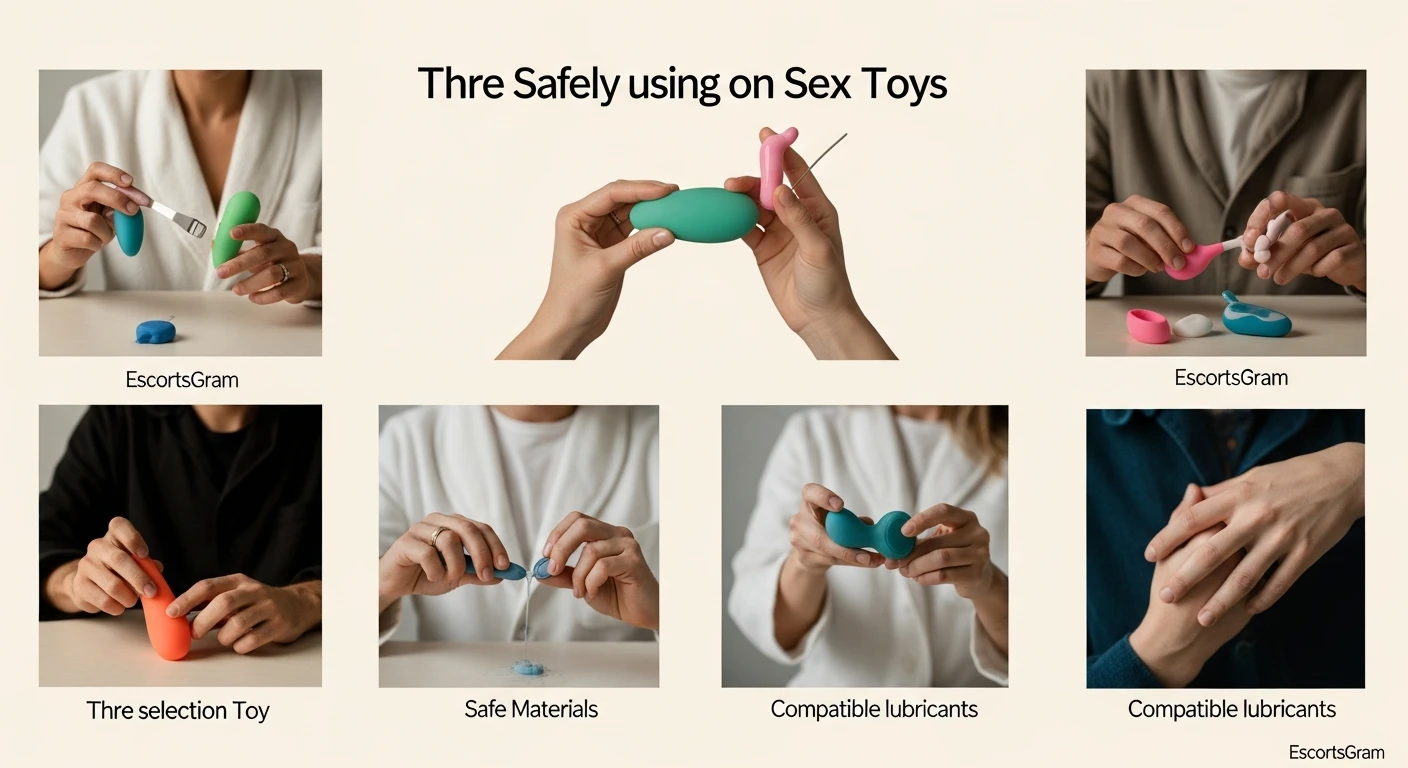
Exploring the world of sex toys can be an exciting journey toward enhanced pleasure and deeper intimacy—whether alone or with a partner. Like any new experience, it’s important to prioritize safety, hygiene, and self-awareness to ensure every adventure is enjoyable and worry-free. This guide covers essential safety tips, product choices, cleaning methods, and communication strategies for beginners.
Why Safety Matters with Sex Toys
Sex toys are designed to bring pleasure, but unsafe or unhygienic use can lead to infections, injuries, or discomfort. By understanding the basics of safe usage, you’ll not only protect your health but also maximize your enjoyment and peace of mind.
1. Choose the Right Toy for You
Start Simple
Beginners often benefit from starting with simple, non-intimidating toys like bullet vibrators, cock rings, or soft silicone dildos.
Avoid advanced toys with multiple moving parts or complex functions until you’re comfortable.
Check Materials
Body-safe materials include medical-grade silicone, glass, stainless steel, and ABS plastic.
Avoid jelly rubber, porous plastics, and anything with phthalates, as they can harbor bacteria or cause irritation.
Look for certifications.
Quality toys will often be labeled phthalate-free and BPA-free or come with FDA approval.
Reputable brands are more likely to prioritize safety and material transparency.
2. Cleanliness is Key
Clean Before First Use
Always wash new toys with warm water and mild soap before using them for the first time to remove any manufacturing residues.
Clean After Every Use
Wash toys immediately after each use as well, following manufacturer instructions.
For non-porous toys (like silicone, glass, or stainless steel), soap and water usually suffice.
Some toys are dishwasher-safe (top rack, no soap), but check instructions first.
Porous Toys Need Special Care
Porous materials (like jelly or cyberskin) can’t be fully sanitized and may not be ideal for sharing.
Use Toy Cleaners (Optional)
Special toy cleaners are available, but not strictly necessary if you use soap and water.
3. Use the Right Lubricant
Lube Reduces Friction and Risk of Injury
Lubrication increases comfort and reduces the chance of microtears or irritation.
Match Lube to Toy Material
Water-based lube: Safe for all toy materials, simple to clean.
Silicone-based lube: Lasts longer but should not be used with silicone toys (can degrade the material).
Oil-based lube: Avoid using it with latex condoms and some toy materials, as it can degrade them.
4. Always Use Condoms for Sharing
Even with thorough cleaning, sharing toys can spread bacteria or infections.
Use a new condom over the toy for each person, especially with anal-to-vaginal play or between partners.
5. Be Mindful of Allergies and Sensitivities
Some people are sensitive to certain materials (like latex or certain lubes).
Test new products on a small area of skin first.
If you notice redness, itching, or discomfort, discontinue use immediately.
6. Start Slow and Listen to Your Body
Go at Your Own Pace
There’s no rush! Explore sensations gradually.
If something feels uncomfortable, stop and adjust.
Pain is Not Pleasure
Any sharp or persistent pain is a sign to stop immediately.
Never force a toy into your body.
7. Communication is Crucial (Especially with Partners)
Talk openly about interests, boundaries, and consent before introducing toys with a partner.
Establish a safe word or clear way to pause or stop if anyone feels uncomfortable.
8. Store Toys Properly
Keep Toys Clean and Dry
Store toys in a clean, dry, dust-free place (many come with their own storage pouch).
Avoid letting different materials touch, as some can react and degrade over time.
9. Batteries and Charging Safety
If your toy is battery-operated, remove batteries between uses to prevent corrosion.
For rechargeable toys, use the manufacturer’s charger and avoid overcharging.
10. Stay Informed and Keep Learning
Sex toy technology and safety guidelines continue to evolve.
Read reviews, guides, and manufacturer updates to keep your knowledge current.
Common Mistakes to Avoid
Skipping cleaning: Can lead to infections or unpleasant odors.
Mixing up lubricants and toy materials: Can damage toys or cause irritation.
Ignoring discomfort: Always listen to your body.
Using damaged toys: Cracks or tears can harbor bacteria—replace damaged toys promptly.
Frequently Asked Questions
Are sex toys legal?
In most regions, yes, but check local laws if you’re unsure.
Can I use sex toys during menstruation?
Absolutely, as long as you maintain proper hygiene.
How do I talk to my partner about using toys?
Frame the conversation around shared pleasure and curiosity. Use “I” statements and express your feelings and interests.
Final Thoughts
Experimenting with sex toys should be a fun and empowering experience. By taking safety and hygiene seriously, you’ll set yourself up for maximum comfort, pleasure, and peace of mind. Remember, everyone’s preferences and boundaries are unique—take your time, explore at your own pace, and enjoy the journey.
If you ever have concerns about reactions, persistent pain, or anything abnormal, consult a healthcare provider for personalized advice.
Happy exploring—and stay safe!
Start Exploring EscortsGram: Avoid fake profiles, spam bots, and agency scams with a platform focused on privacy, direct communication, and manually verified profiles. Connect in a safer, more transparent environment designed for real people and genuine experiences.
0 Comments
No comments yet
Be the first to join the conversation and share your thoughts!
Leave a Comment