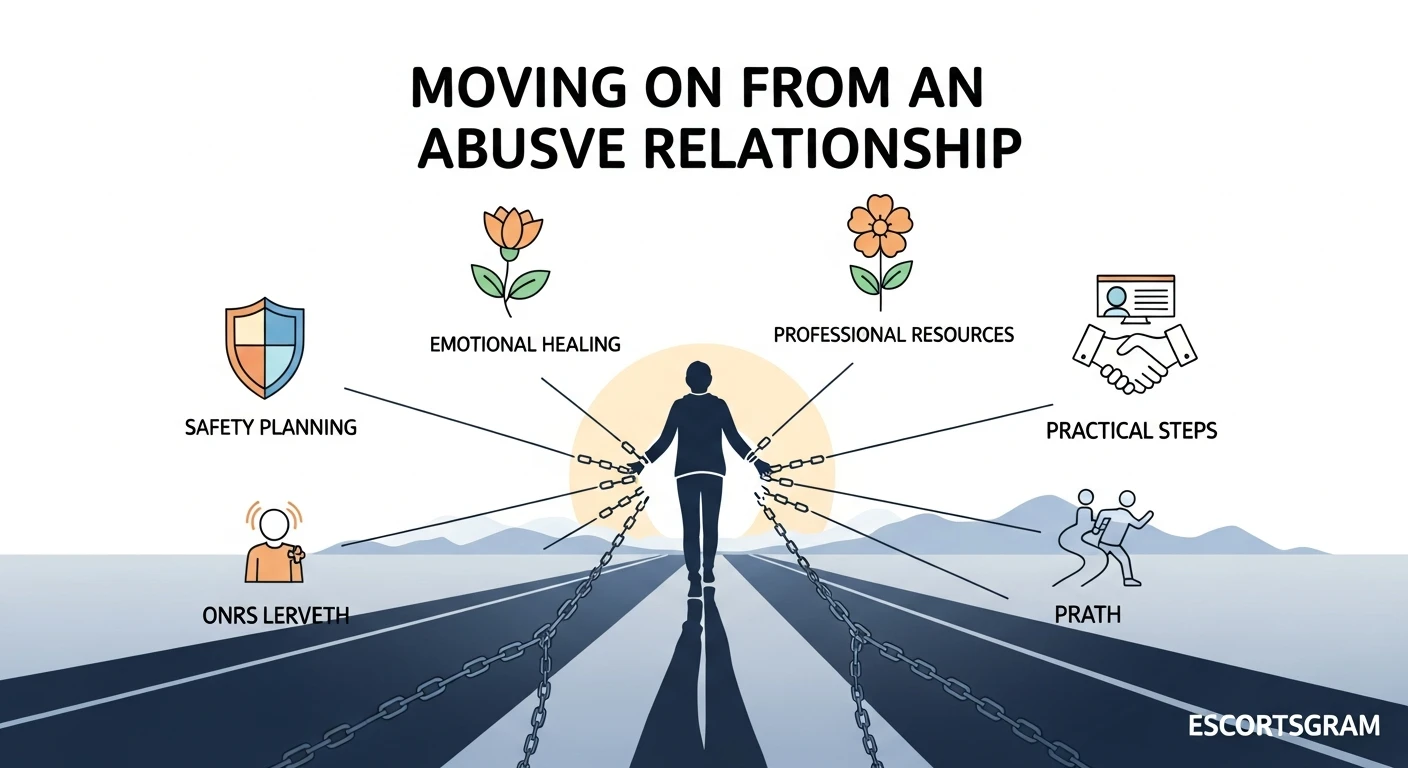
Leaving an abusive relationship is one of the bravest decisions a person can make, but it is only the beginning of a complex journey toward healing and reclaiming your life. This in-depth guide explores the emotional, psychological, and practical steps involved in moving on from abuse, as well as how to rebuild your sense of self-worth and trust in others.
1. Understanding Abuse and Its Impact
Abuse is Not Always Physical:
Abuse can be emotional, psychological, verbal, sexual, or financial.
Emotional abuse includes manipulation, threats, gaslighting, and isolation.
Psychological abuse can erode your confidence, independence, and sense of reality.
Why It’s So Hard to Leave:
Abusers often use fear, guilt, shame, or love bombing to keep you attached.
Trauma bonding, where you feel emotionally tied to your abuser, is common.
Financial control or lack of support networks can make leaving feel impossible.
2. Preparation: The Safety Plan
Assess Your Situation:
Document instances of abuse (notes, photos, messages)—keep them in a safe or private place.
Identify trusted friends, family, or professionals to confide in.
Create an Exit Strategy:
Pack a bag with essentials (IDs, cash, medications, clothes).
Arrange for a safe place to stay (friend’s house, shelter, or hotel).
Know the emergency numbers and local resources (helplines, shelters, and police).
Digital Safety:
Use incognito mode or clear browser history if researching help.
Change passwords on important accounts; consider using new devices if possible.
3. The Act of Leaving
Choose the Right Time:
If possible, leave when the abuser is not present or distracted.
Have transport arranged (cab, friend, ride-share).
Enlist Help:
Don’t do it alone if you can avoid it—bring someone you trust or contact authorities.
Notify your workplace, children’s school, or anyone who may need to know for your safety.
Legal Protections:
Consider a restraining order or legal guidance, especially if children or shared property is involved.
Keep copies of any legal documents in a secure location.
4. Immediate Aftermath: Emotional and Practical Recovery
Anticipate Mixed Emotions:
Relief, grief, fear, guilt, and confusion are all normal.
Allow yourself to mourn the relationship and the person you hoped your partner would be.
Seek Professional Help:
Therapy (especially trauma-informed therapy) is critical for processing abuse.
Support groups (in-person or online) offer community and validation from others who’ve been there.
Re-establish Safety:
Change locks and phone numbers and adjust routines if necessary.
Inform neighbors or building security about your situation if appropriate.
5. Gradual Healing: Rebuilding Your Life
Reconnect with Yourself:
Rediscover hobbies, interests, or friendships that were neglected during the relationship.
Practice self-care—nutrition, exercise, sleep, and relaxation are vital for healing.
Set Clear Boundaries:
Learn to say no, even to people who have good intentions.
Protect your energy and prioritize your healing.
Challenge Negative Beliefs:
Abuse can warp your sense of self-worth—replace self-blame with self-compassion.
Affirmations, journaling, and mindfulness can help reframe your internal dialogue.
6. Long-Term Recovery: Trust, Relationships, and Growth
Navigating New Relationships:
Take your time—there’s no rush to date or make new commitments.
Educate yourself about healthy relationships, red flags, and what you truly want and deserve.
Trust Takes Time:
It’s normal to feel anxious, hyper-vigilant, or mistrustful after abuse.
Be patient with yourself and communicate openly with new friends or partners about your journey.
Celebrate Progress:
Healing is not linear—setbacks will happen, but so will growth and moments of joy.
Recognize your courage and resilience at every step.
7. Support Systems and Resources
Professional Support:
Counselors, therapists, and doctors can help with trauma, anxiety, depression, or PTSD.
Legal advocates can assist with restraining orders or child custody.
Community Support:
Hotlines (such as the National Domestic Violence Hotline), local shelters, and online forums provide practical and emotional help.
Friends and family can offer stability, encouragement, and a reminder that you are not alone.
Final Thoughts
Moving on from an abusive relationship is a profound act of self-care and self-preservation. The process is not easy and often involves setbacks, but with time, support, and self-compassion, healing is possible. Trust that you deserve love, respect, and safety—there is hope and a positive future ahead.
If you are in immediate danger, contact emergency services or a trusted helpline right away.

0 Comments
No comments yet
Be the first to join the conversation and share your thoughts!
Leave a Comment